An interview with Matt Kayem
.svg)


.svg)
.svg)
An interview with Matt Kayem
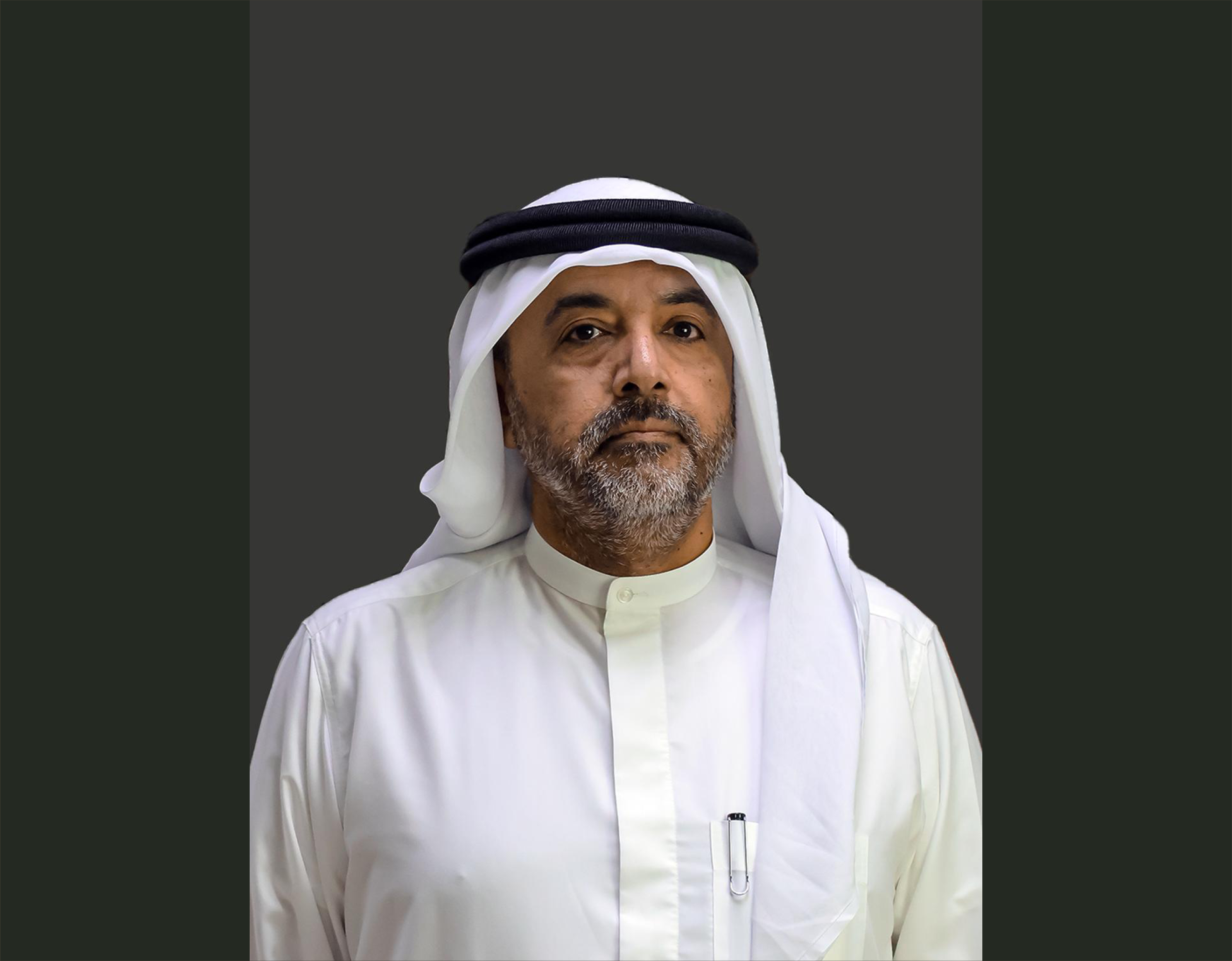
Matt Kayem is a multidisciplinary artist and writer born in Kampala, Uganda. His work explores the themes of identity, race, history, and culture through installations, collage-paintings, textiles and photography.
Dominic Muwangudzi speaks with the artist for ARAK.
Why do you make art?
The foremost reason I make art is because I believe art is my calling. Since childhood, I was good at drawing and when I went to school I excelled in art. It therefore became obvious that I would be an artist because it was the best thing I could do. On the other hand, my art making is influenced by the issues that surround me which I feel I need to discuss and communicate to the public. I am mostly drawn to concepts of Pan Africanism, decolonisation and cultural identity which are very important issues on the African continent today. Any other person, like a trader, banker or lawyer may not find time to investigate or give their voice to these topics, but as an artist I feel I have the resources to do this. It is because of this obligation that I make art.
Is Africa or the Africa diaspora a part of your vision? If so, what or which Africa?
Of course Africa is a part of my vision in my work because of the themes I interrogate in my art. Through my work, I wish to make Africa a much better place to live for each one of us. This also reflects on the way I dress. I am always wearing African symbols which reveal more about my passion and love for my African identity. On the question of which Africa, I am, at the moment, focusing on the African continent. I have been travelling around the continent with the quest to understand it more.
Is there anything original in art making? How do you reconcile influence and innovation?
Yes and no. There’s an English phrase which says, there’s nothing new under the sun and this can be used to argue that there’s nothing original in art making. One can say, everything we are doing now, has been done before. However, I also believe there’s still room to create something that has never been done; something that can wow the art world.
When it comes to how I deal with influence and innovation in my art, my art has gone through different stages and along the way, I have been influenced by a number of European and African artists because I am an avid reader of Art history and also a writer. But while I get inspiration from some of these artists, I am also developing my own language because I too have something to say. It is something some people in art call DNA and this for me is part of my innovation; creating my own language that differentiates me from other artists.
Are you self taught, home schooled, shaped by institutional values?
I went to art school so I can’t entirely say I am self- taught. However, there’s a part of me as an artist that has learned through modern technologies like Instagram, Facebook and other social platforms. Perhaps, I should say that this has been very beneficial to me because in art school I was taught to work with my hands, but within the art field I am being taught to work with my head. I have to find my way around many things like how to conduct research for my art, approach galleries to show my work and form relationships that can benefit my practice.
Does art need society to exist? Is art the inspirational core, a reflection of what society is, or can be?
Art definitely needs society to exist. However, art also has the potential to rise above society; to exist alone and not depend on society to thrive. Nevertheless, it is a reflection of society for example, it is possible for one to look at a certain type of art and know where it is coming from. Artists normally create art that mirrors their social cultural backgrounds. I believe, many years after some of us have left this planet, those who will be around will look at our art and know who we were and where we were coming from.
Does ‘Contemporary African Art’ mean anything to you?
Yes, it does mean something to me. In my opinion, it is because of ‘Contemporary African Art’ that artists from the continent are being given global spotlight and recognition. We are having more artists join the industry because of this global attention.
What role you think art institutions play in shaping the discourse around ‘Contemporary African Art’?
They do play a very important role in creating awareness and appreciation of art. For example, in countries where there’re art museums, such institutions promote the awareness and appreciation of art to the public. An artist can easily be recognised but also respected anywhere on the streets because people know what they do. Therefore, it is important that these institutions are established in places where they haven’t yet been opened in order to facilitate and strengthen the art ecosystem.
Do you see a relationship between art and activism within the context of ‘Contemporary African Art’?
Yes, there’s a relationship between art and activism because I believe there’re a great number of artists who are activists through their work. Equally, if you’re an artist and you add activism to your art, it becomes much easier to put out your message across to the public. For example, if the government passed a bill in parliament and the artist, as a form of protest to it, created an installation or performance on the streets of Kampala, this would definitely capture the attention of the legislators and perhaps the bill would be reversed. Equally, the artist and their work would get recognition by a much wider audience.
If I said African art is a global game changer, what might this mean to you?
For me this means that African art is taking up space on the international art scene. It also means that this is an interesting time for anyone to be an artist because there’s recognition and respect for artists from the continent.
Race and other identity fixations are commonplace markers in current politics—is race important? If so, then why? As for other identitarian concerns, how, why, do they matter, if at all?
Yes, race is important. As much as some people may want to run away from this conversation and say we are all the same, other people don’t see it that way. If you are coming from a country like mine which is racially safe, you may want to be indifferent to this conversation but when you go to other places and you encounter prejudices incited by your skin colour, then you will begin to think it is important to talk about it or actually rediscover who exactly you are. In my opinion, other identities are also important because they distinguish us from everyone else.
How do we calibrate provincialism, nationalism, regionalism, continentalism, globalism? Is geopolitics vital in the making of art?
These boundaries are a part of us and we can’t pretend they don’t exist or matter. They are justifiable because we are different, although we may have similarities between us. On my part, I always want to first identify myself as a Muganda from central Uganda before I think of being part of a wider community.
Geopolitics is vital in the making of art because it helps us navigate through phenomenal topics that are relevant to the different places. We have certain themes which are particular to where we come from. When we discuss them in our art, this makes us stand out from the crowd. That individuality in our art makes our art exciting and interesting to encounter with because it is not similar to what other artists create from other parts of the world.
Is the medium the message? Is a supplementary content important?
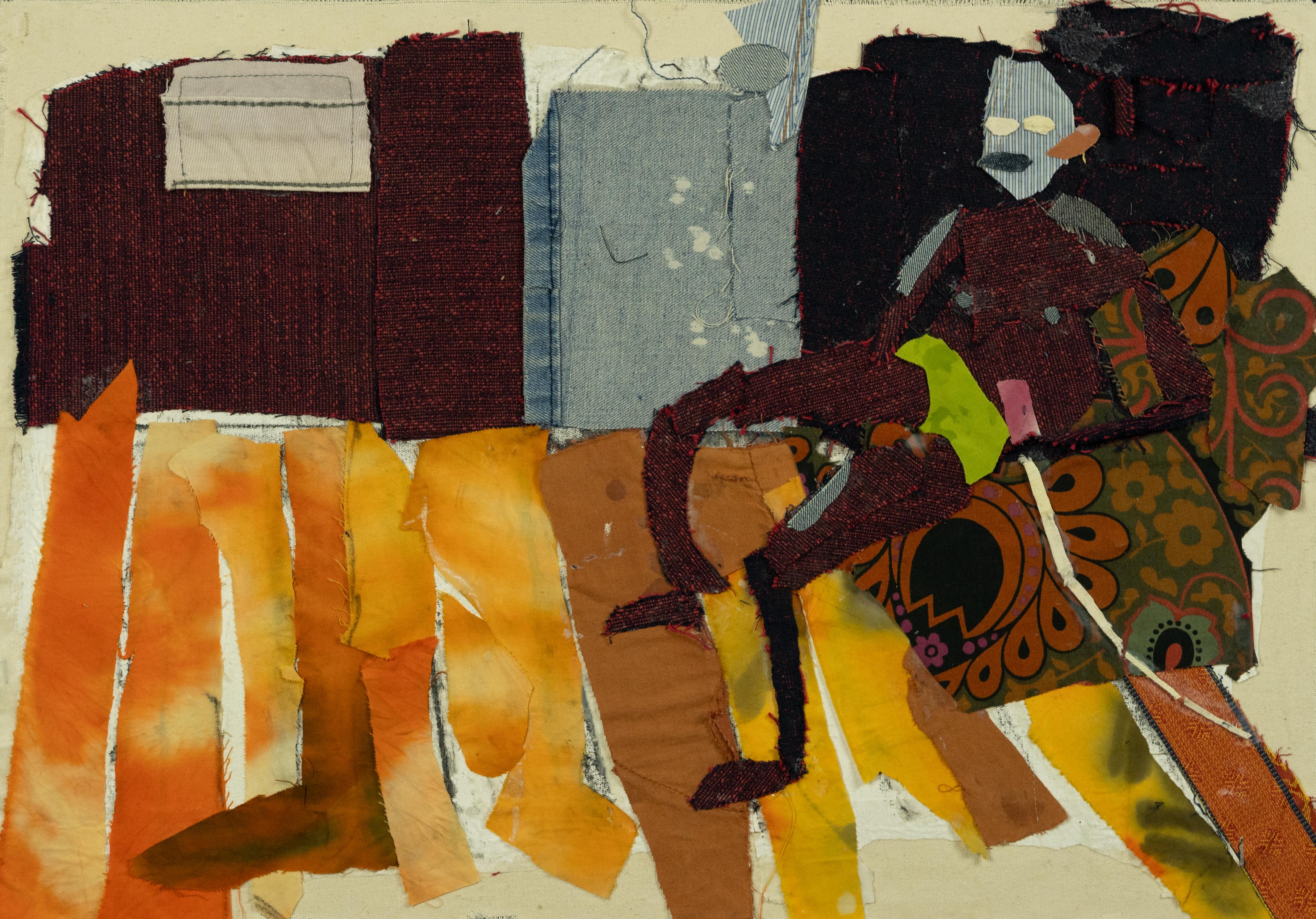
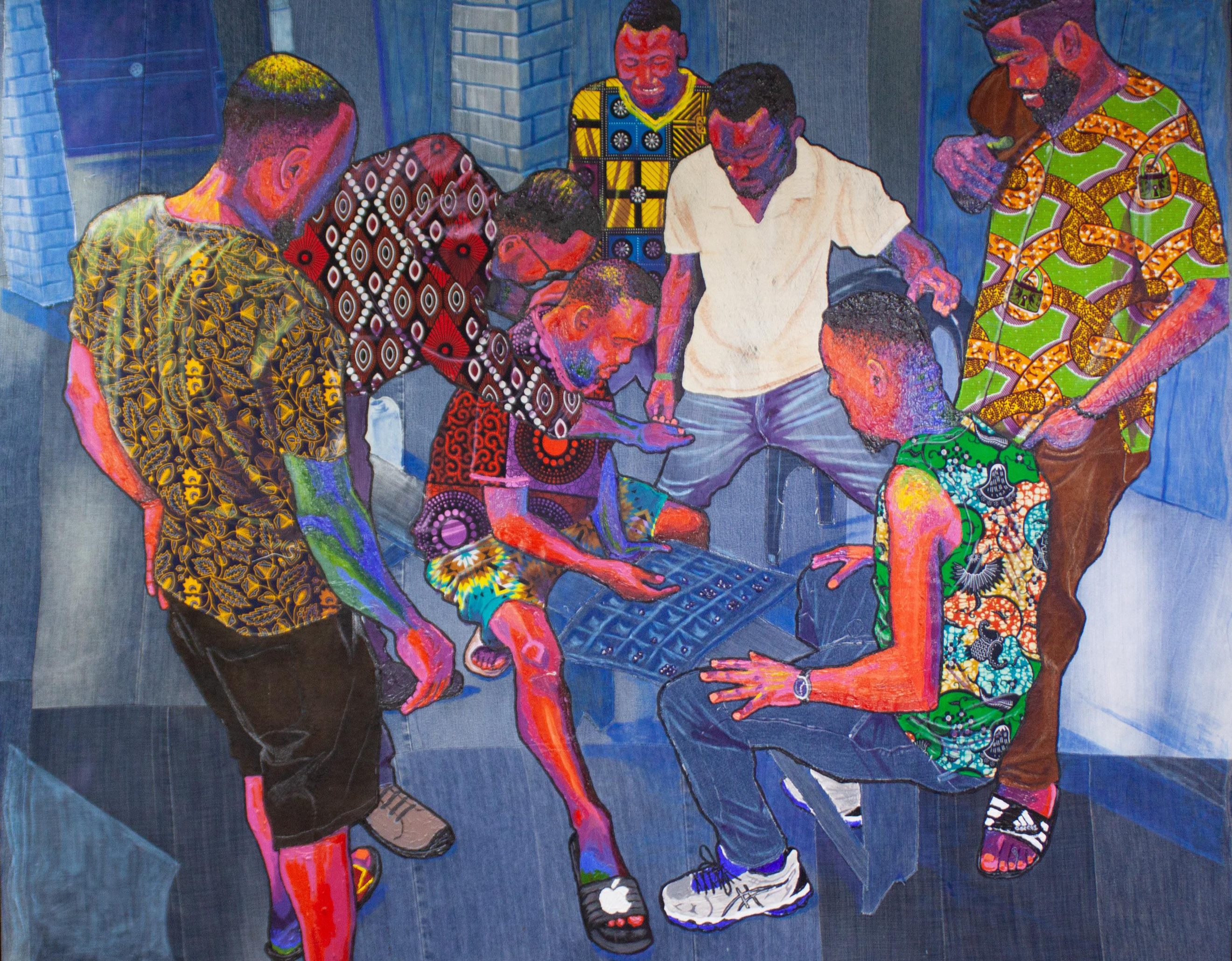
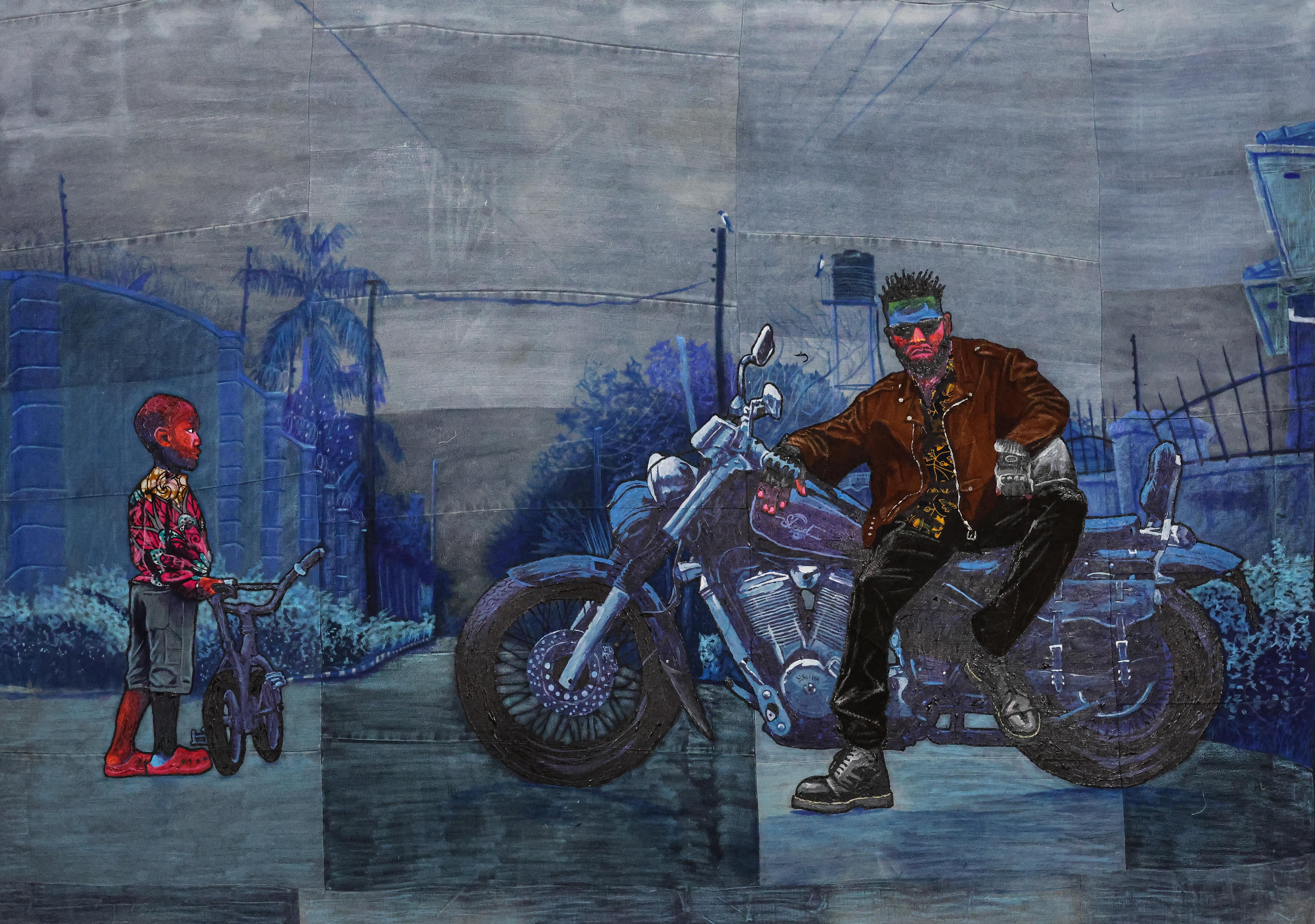
The medium I use is integral to the story I’m telling. I only use three fabrics in my work which are bark cloth, Dutch-wax print and denim. These form different layers of meaning that respond to cultural identity. For example, bark cloth represents the original identity of Africans, our indigenous practices and customs. This owes partly to its presence in different parts of the continent; similar fibres have been traced in Ancient Egypt and Ghana, but also the Bemba people in Zambia make bark cloth. Though it’s currently actively produced in Buganda, it has these connections to several parts of the continent and therefore fit to speak the language of unification here.
What theme(s) or message(s) do you communicate through your work? Why do you think you need an audience and why is it important?
The themes in my work include cultural identity, decolonisation, black consciousness and Pan- Africanism. In my opinion, these are important themes because even after 60 or 70 years after independence, the African continent is still in a state of conundrum. So, discussing these issues in my work, sheds light on why this is the case.
I need an audience because I feel the themes I tackle in my work are very important to our people today. Someone should think about my work in the same breath as Bob Marley, Malcom X, Kwame Nkrumah and so many others, and imagine if these personalities were artists.
What role do you think criticism/ art writing plays in the contemporary art market? What does it mean for your own practice?
Criticism plays a vital role in the contemporary art market because it checks artists and other industry players. If an artist is parading half-baked work to their audience, it is the critics who point out this mishap. Equally if the curator’s exhibition making is lacking, the critic will tell them to pull up their socks. So in the end, the critics are like the police for the art world. Artists, curators and gallerists are prompted to each perform their work well because there’s someone on the watch. On the other hand, art writing documents art and art making for future references. It is only through writing about art that art and its creators are preserved for future generations.
Cover artwork: Matt Kayem, Them Playing Chase, 2022. Acrylic and mixed-media, 183 x 153 cm

.jpeg)