AbdulRahman AlKhelaifi: Africa’s Greatest Artistic Challenge Is Documentation, Not Collecting
.svg)


.svg)
.svg)
AbdulRahman AlKhelaifi: Africa’s Greatest Artistic Challenge Is Documentation, Not Collecting
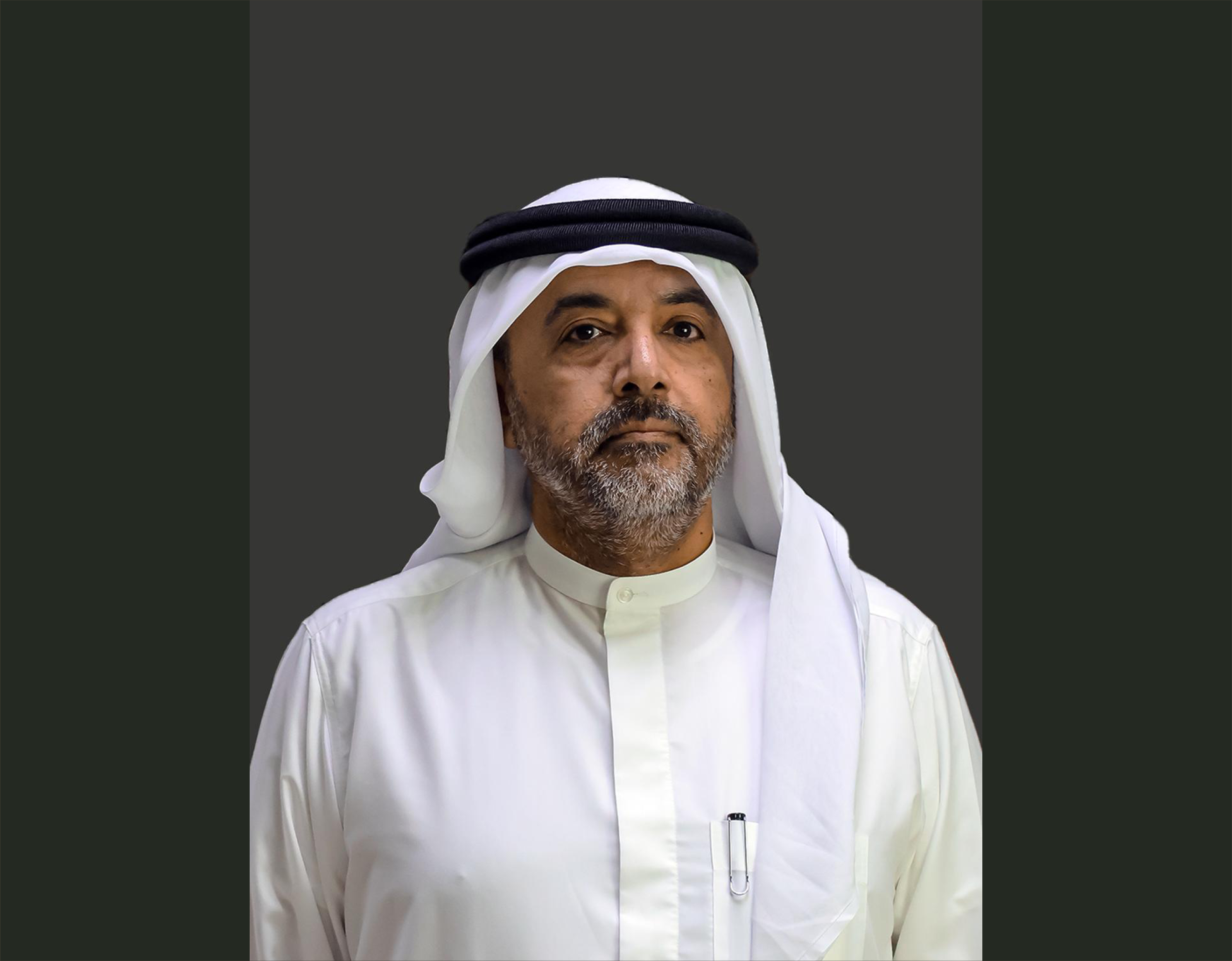
AbdulRahman AlKhelaifi is the founder of the ARAK Collection, based in Doha, Qatar. Since 2017, he has built one of the largest contemporary African art collections in the world, holding over 4,000 works by more than 300 artists across roughly 30 Sub-Saharan countries. Alongside collecting, ARAK runs a fellowship programme, art writing workshops across the continent, and a publishing programme that has produced more than 11 titles in partnership with HBKU Press and Skira. Africa Art News spoke to him about why documentation matters, what East Africa means to the collection, and what he hopes researchers find in the ARAK archive fifty years from now.
B.W: What led you to create the fellowship programme and invest so heavily in publishing, research and documentation alongside collecting?
A.A: I started in 2017 at the Cape Town Art Fair. Going through acquisitions, meeting galleries, dealers, curators, artists, visiting bookshops around Africa and around the world, I found out that there is very rare documentation and archiving on African contemporary art and African modernism. So in 2020 we decided to do a fellowship programme.
The collection today focuses on three pillars (forming a triangle). The first is fellowship. We buy emerging artists, we connect them with career curators and art writers, and we close the triangle with a publication or an exhibition. Since 2020 we have supported more than 14 curators and four art writers from the continent and diaspora.
The second pillar is education. We run art writing workshops across the continent. So far we have trained more than 65 art writers. In 2026 we changed the model. Instead of running the workshops ourselves, we now give grants to art centres like like LuCAC and the FCA in Ghana, so they run the workshops with their own instructors.
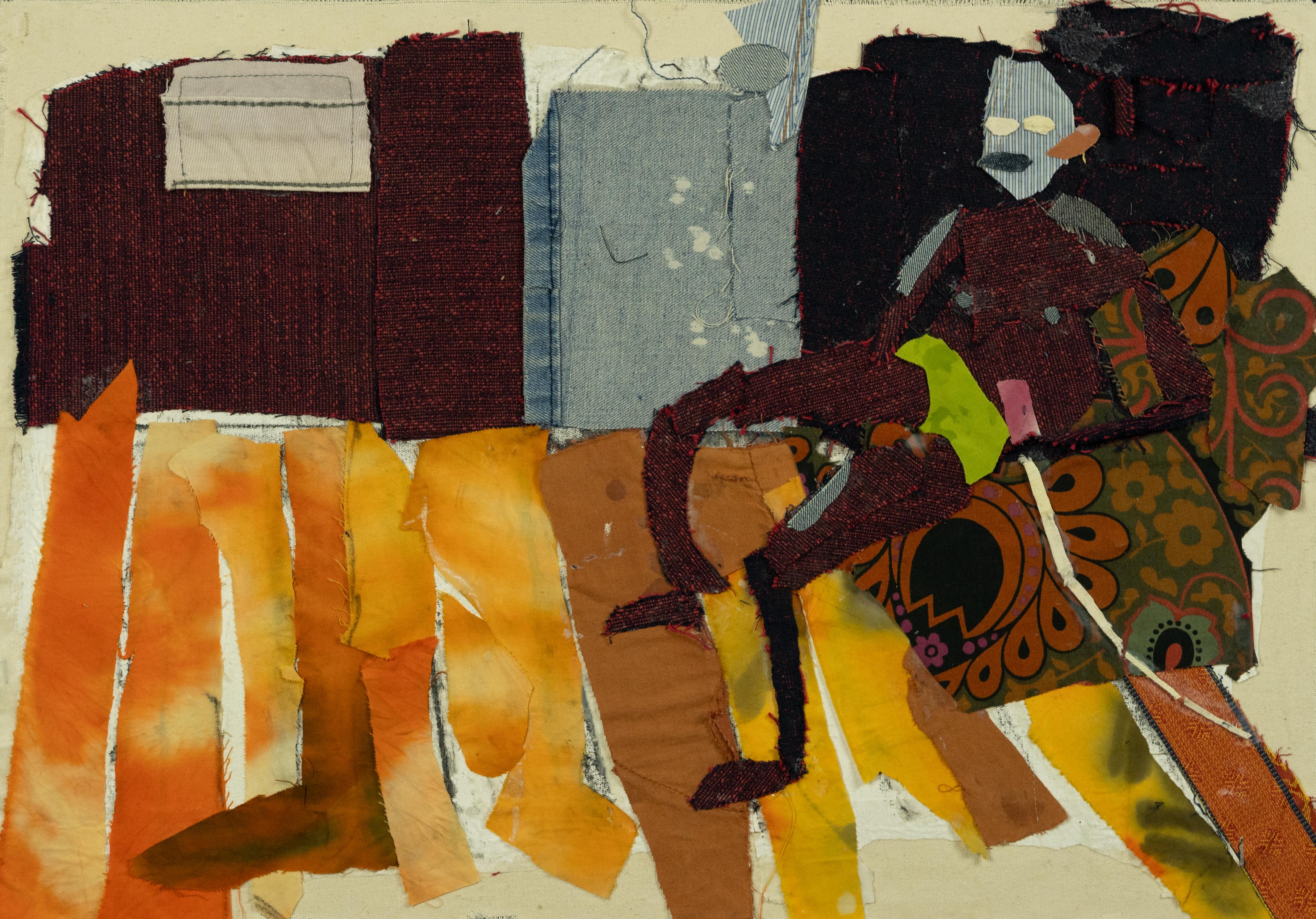
The third pillar is publishing. Most of what is available on African art has been written by friends from Europe and America, which we appreciate. But the continent needs publications written by its own people. Our first monograph was on Namibian artist Rudolf Seibeb. The most recent was African Art: The ARAK Collection, with an introduction by Ashraf Jamal, published with Skira.
B.W: Why has East Africa become such an important part of the ARAK Collection?
A.A: I visited Nairobi in 2018 at the beginning of my studio visits. Danda Jaroljmek and her team at Circle Art Agency gave me the chance to visit studios, collectors, art centres and galleries. I looked at it in depth. I saw how people really needed this kind of support, continuing to buy their work, giving them the chance to be full-time artists, giving them the chance to grow their careers and think outside the box.
When we talk about East Africa, I have visited Dar es Salaam, Nairobi many times, Kampala once or twice every year or two, Kigali, and in 2018 I went to Khartoum. East Africa, I feel there is a lot of synergy between the Arab world and East Africa since the old days of trading, spices, wood. I found there is a core relationship between them, and I feel comfortable visiting these cities. I feel home, to be frank with you.
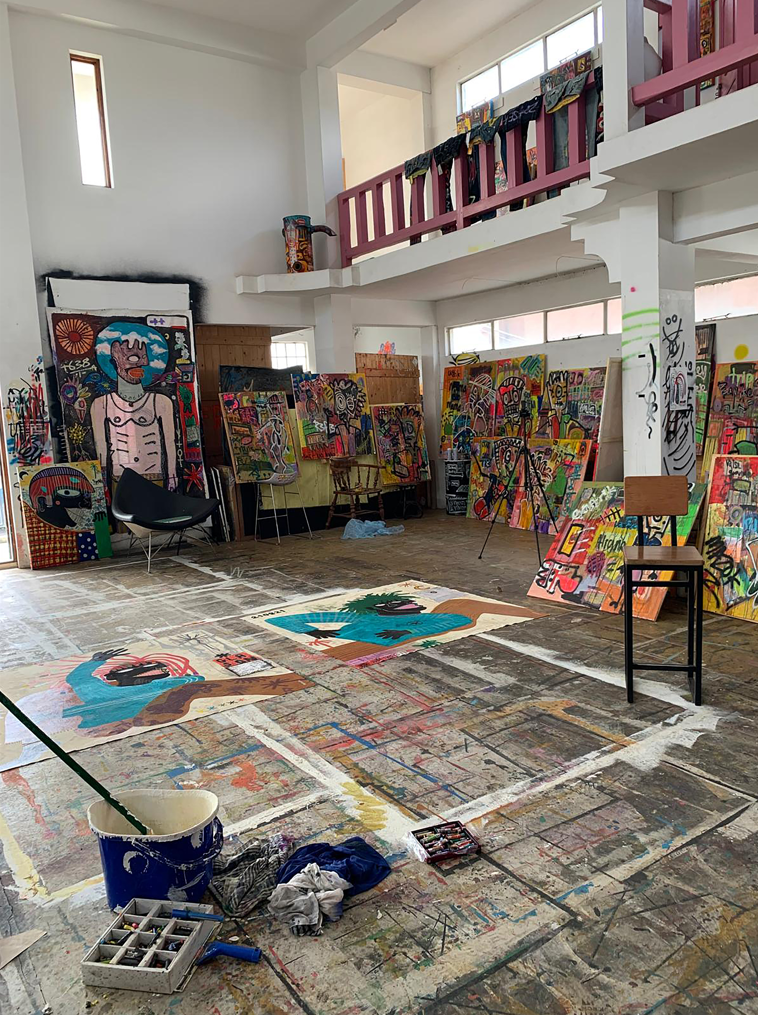
East Africa is now a major part of our collection, in painting, in number of artists, in many ways. Last year in August, a colleague of ours, a graphic designer and photographer, spent a week in Nairobi and a week in Kampala, videoing most of the artists in the collection. You can find many of our friends from Nairobi, Kampala and elsewhere on our YouTube channel. By the end of this year, he will go again, to Nairobi, Dar es Salaam, Kampala, and possibly Kigali.
B.W: How do you determine what is underdocumented? Who decides what should be documented?
A.A: There is no one person who decides. It is a dialogue between the team in the collection, with the founder, with our colleagues around Africa whom we work closely with. We are always in conversation with others to hear what they think, what is missing, what is available, where we can add value. This is how we approach things.
Our collection cannot do everything. For example, we are less represented from West Africa and we are thinking about that for 2027. But from our side, we try to fill the gap by producing knowledge, online, through talks, workshops, education, publications, that helps grow the career of each person in the ecosystem.
B.W: Whose responsibility is it to preserve African art history?
A.A: It is the responsibility of everyone. Universities, education institutions, art centres, foundations, museums, galleries, all of these collectives together need to create an awareness of the importance of their legacy, which is the art scene. They need to continue to support it. And then people like our collection come in, people from outside coming in to complement what is happening in the region. The larger players in our collection and others need to be part of it, to support it, and to grow the art scene in Africa. Africa is too big. Africa is the world.
B.W: Do you think documentary film and audiovisual documentation are becoming important tools for preserving African art history?
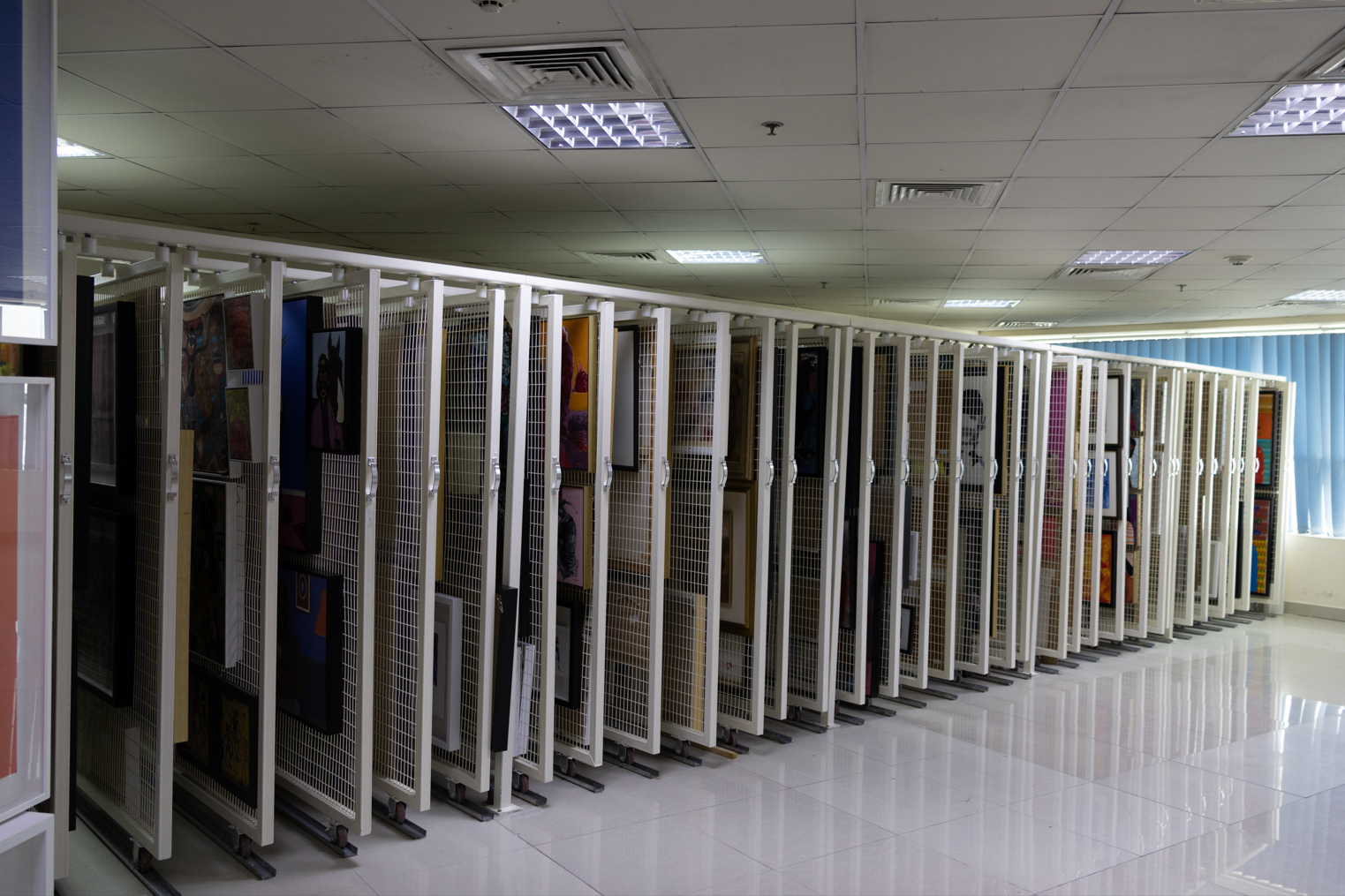
A.A: Definitely. From our side, we are trying to grow our archive and make it available. We are doing some documentary work on what we practice, visual and audio. That will help give more knowledge on African art, African history, African modernism in the coming future. We believe the collection is an important archive for researchers, curators, art professionals and artists to look at. Since we do not yet have a permanent home in Doha, we have produced more than 1,800 pieces online, where most of our artists are available to view. We are still adding content, biographies written by our fellows and art writers about each artist.
B.W: Would ARAK be open to collaborating on documentation projects?
A.A: We would be happy to cooperate and to do more on this, but we are a small team. So we always need others to put their hands with us to make things happen. We are definitely open to cooperation.
B.W: If someone wanted to document East African art history today, where should they begin?
A.A: I believe the first priority is documenting the modernism movements in East Africa. How did it start? How did it grow? Who were the influences? After that, you go to the education side, the Ethiopian art colleges, Makerere University, the institutions in Tanzania and Kenya. Then you see how these universities influenced others. When you look at artists who graduated from Makerere, Tanzanian artists, Zambian artists, this is a movement. How did Africa influence the art scene across the whole continent? This is a very important route that needs to be looked at in depth and archived professionally.
And it is not only paintings. The photography archive is important. The movement of people, the movement of architecture, how cities have grown. And then when you go to film, how did cinema start and develop? I believe there is a lot of need on the archiving side of East Africa particularly, and across the continent too.
What do you hope future researchers will find in the ARAK archive?
A.A: I believe they will find more information about any artist in our collection than they will find anywhere else. We try to document every movement of each artist, any article written about them, any video they have done, any interview, any exhibition they have made, where it was held, what the portfolio looked like, which gallery represented them, where they exhibited internationally and locally. We are working hard on this. It requires time, but we are committed to it.
B.W: If ARAK succeeds in what it is trying to do, what conversations do you hope people will be having in the future?
A.A: People will learn more about the art scene of the last fifty years. They will try to learn from the mistakes, so they do not need to repeat what others have done and failed at. That means people will learn how to grow their careers and do better than the previous generation. This is the most important thing about an archive, that people learn from it, understand it, build on it and grow. That is what we hope for.
AbdulRahman AlKhelaifi is the founder of the ARAK Collection. The collection’s online archive, comprising more than 1,800 works, is available at arakcollection.com.

.jpg)